


Parenting is a daily practice shaped by love, patience, mistakes, and growth. There is no universal manual, yet certain principles consistently help children feel secure, capable, and understood. In a world full of advice and opinions, effective parenting is less about perfection and more about connection, consistency, and awareness.
Understanding the Core Purpose of Parenting
At its heart, parenting is about preparing children for life, not controlling every outcome. This means guiding them while gradually giving them the tools to think, decide, and cope independently.
Healthy parenting aims to:
- Build emotional security
- Encourage independence and responsibility
- Teach values through example, not lectures
- Support mental and emotional well-being
Children who feel safe at home are more likely to explore the world with confidence.
The Importance of Emotional Connection
Strong emotional bonds form the foundation of trust. When children feel heard and respected, they are more open to guidance and correction.
How to Strengthen Emotional Bonds
- Listen without immediately fixing their problems
- Validate feelings, even when behavior needs correction
- Spend one-on-one time regularly, even if brief
- Use calm language during conflicts
Emotional connection does not mean permissiveness; it means children know they matter, even when limits are enforced.
Setting Boundaries Without Harsh Discipline
Discipline is not about punishment—it is about teaching. Clear, predictable boundaries help children understand expectations and consequences.
Effective boundaries include:
- Consistency across caregivers
- Age-appropriate rules
- Natural or logical consequences
- Calm explanations instead of threats
When boundaries are fair and predictable, children feel safer and learn self-control over time.
Encouraging Independence and Responsibility
Overprotecting can unintentionally signal to children that they are incapable. Gradual independence builds confidence and problem-solving skills.
Ways to Foster Independence
- Let children make small choices early on
- Encourage age-appropriate chores
- Allow mistakes and learning opportunities
- Praise effort, not just results
Confidence grows when children see themselves as capable contributors.
Modeling the Behavior You Want to See
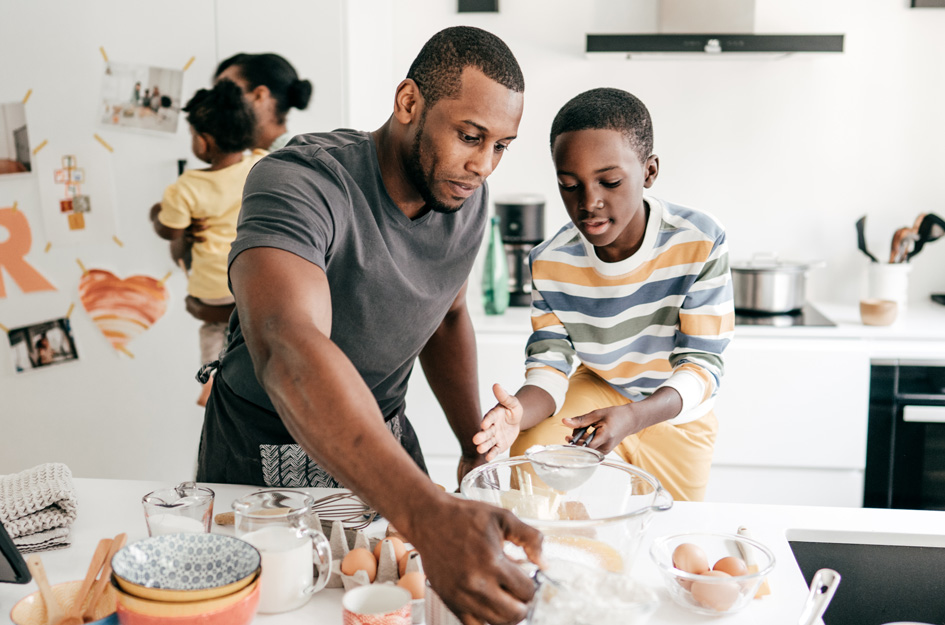
Children learn far more from observation than instruction. Everyday actions send powerful messages about respect, empathy, and resilience.
Be mindful of:
- How you handle stress and frustration
- The way you speak about others
- Your approach to mistakes and apologies
- Daily habits around technology and communication
Modeling healthy behavior quietly shapes a child’s character over time.


Navigating Modern Parenting Challenges
Today’s parents face unique pressures, from digital exposure to academic stress. Balance is essential.
Common Challenges Parents Face
- Managing screen time without constant conflict
- Supporting mental health and emotional regulation
- Balancing work, home, and presence
- Handling comparison culture and social pressure
Addressing these challenges requires flexibility, open communication, and self-compassion.
The Role of Self-Care in Parenting
Parental well-being directly affects children. Burnout makes patience and empathy harder to access.
Healthy self-care includes:
- Setting realistic expectations
- Asking for help when needed
- Maintaining personal interests
- Resting without guilt
A regulated parent creates a regulated environment.
Parenting Is a Long-Term Relationship
Parenting does not end when childhood does. The goal is to build a lifelong relationship based on mutual respect, trust, and understanding.
When children grow up feeling supported rather than controlled, they are more likely to return for guidance, connection, and shared joy.
Frequently Asked Questions (FAQ)
How can I parent effectively without being too strict or too lenient?
Focus on firm boundaries with emotional warmth. Consistency paired with empathy creates balance.
What is the best way to handle tantrums or emotional outbursts?
Stay calm, acknowledge feelings, and guide the child once emotions settle. Teaching regulation works better than punishment.
How do I encourage good behavior without constant rewards?
Use verbal encouragement, recognition of effort, and natural consequences rather than material rewards.
Is it normal to feel unsure or overwhelmed as a parent?
Yes. Parenting involves constant learning. Feeling unsure often means you care deeply about doing it well.
How much independence should a child have?
Independence should match age and maturity. Gradually increase responsibility as skills develop.
How can parents support a child’s emotional intelligence?
By naming emotions, modeling healthy expression, and creating a safe space for honest communication.
Can parenting styles change over time?
Absolutely. Effective parenting evolves as children grow and as parents gain insight and experience.
Parenting is not about raising perfect children—it is about raising whole, capable humans who feel supported as they learn who they are.


